How do I start a dropshipping business?
Starting a dropshipping business involves several key steps. Dropshipping is a retail fulfillment method where a store doesn't keep the products it sells in stock. Instead, when you sell a product, you purchase the item from a third party and have it shipped directly to the customer. Here's a step-by-step guide to help you start your dropshipping business:
- Identify a Niche: Choose a niche or target market for your dropshipping store. Consider factors like your interests, market demand, and competition.
- Analyze Competitors: Research other dropshipping businesses in your niche to understand what products they offer, their pricing strategies, and their overall business model.

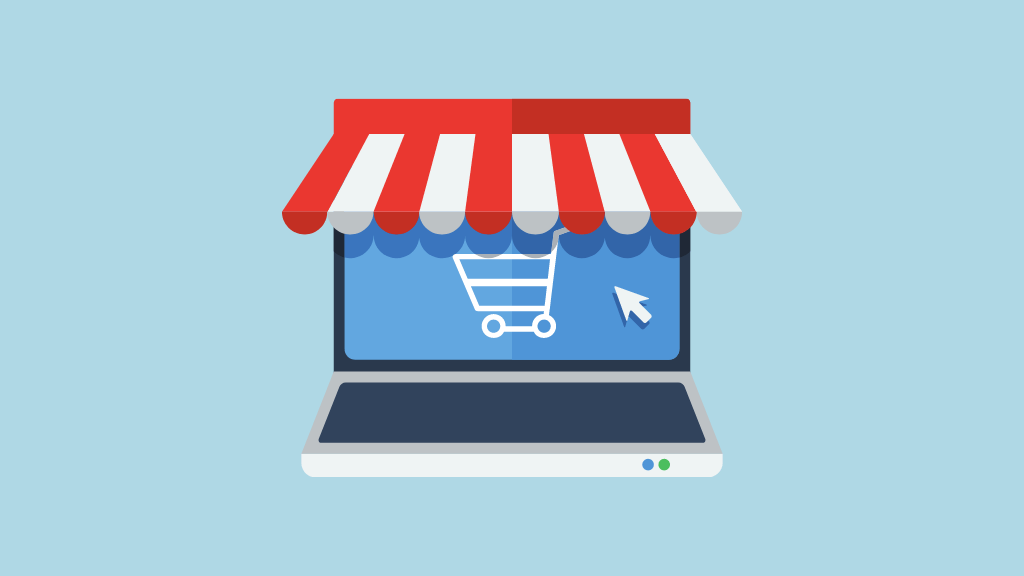
- Select an E-commerce Platform: Choose an e-commerce platform to set up your online store. Popular options include Shopify, WooCommerce (for WordPress), and BigCommerce.

- Register a Domain: Choose and register a domain name that reflects your business.
- Design Your Store: Customize your store's appearance using themes and templates. Ensure it is user-friendly and visually appealing.
- Add Products: Import products from your chosen suppliers to your store. Many dropshippers use suppliers from platforms like AliExpress, Oberlo, or Spocket.
4. **Choose Reliable Suppliers:**
- Research Suppliers: Identify reliable and reputable suppliers with a good track record of timely shipping and quality products. Check customer reviews and ratings.
- Contact Suppliers: Reach out to potential suppliers to establish a relationship. Confirm their dropshipping terms, pricing, and shipping options.

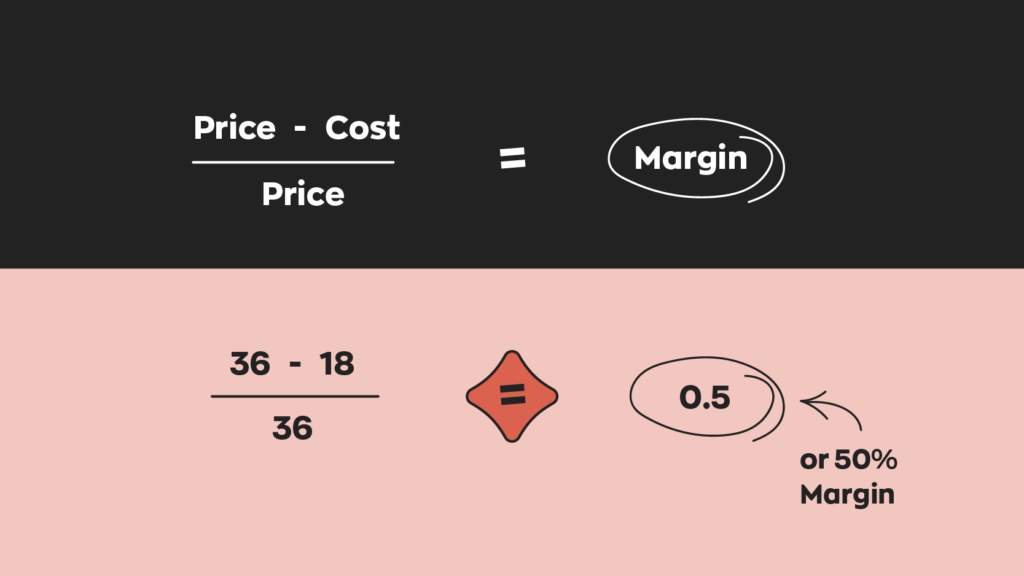
5. **Set Pricing and Profit Margins:**
- Determine your pricing strategy, factoring in the cost of goods, shipping fees, and your desired profit margin. Be competitive but also ensure profitability.
6. **Implement Secure Payment Methods:**
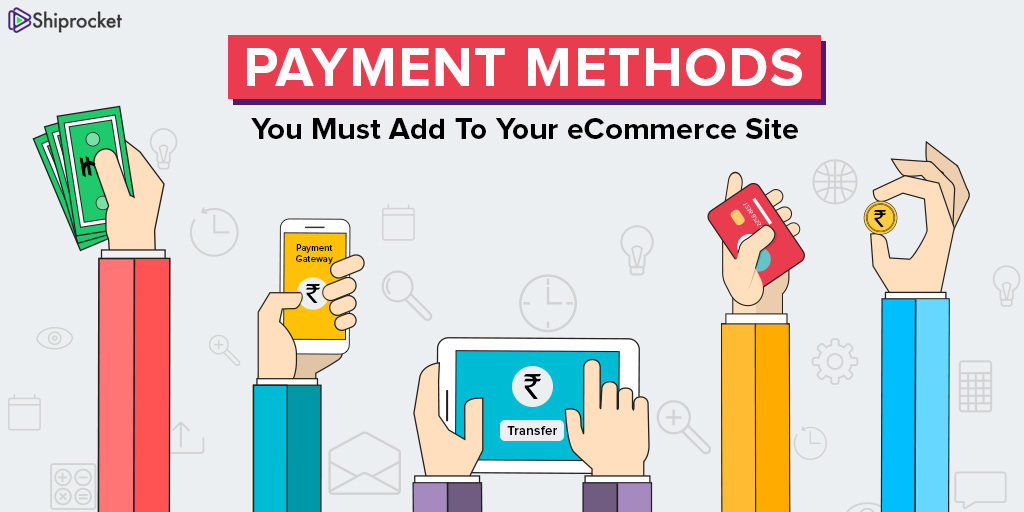
- Set up secure payment gateways to process transactions. Popular options include PayPal, Stripe, and other third-party payment processors.
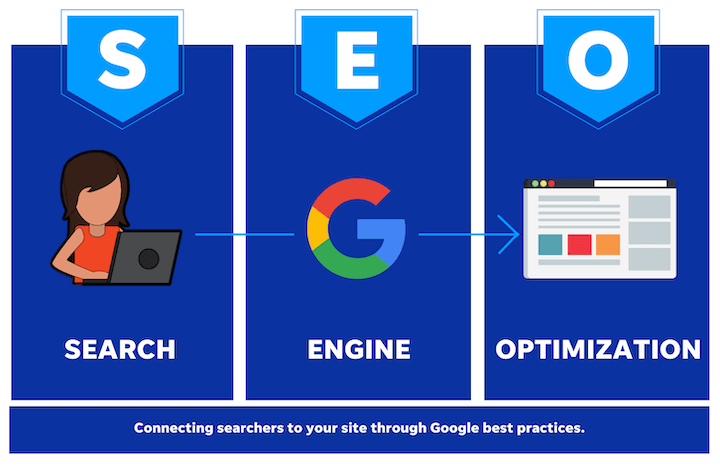
- Optimize your product listings and website for search engines. Use relevant keywords in your product descriptions and meta tags to improve visibility.
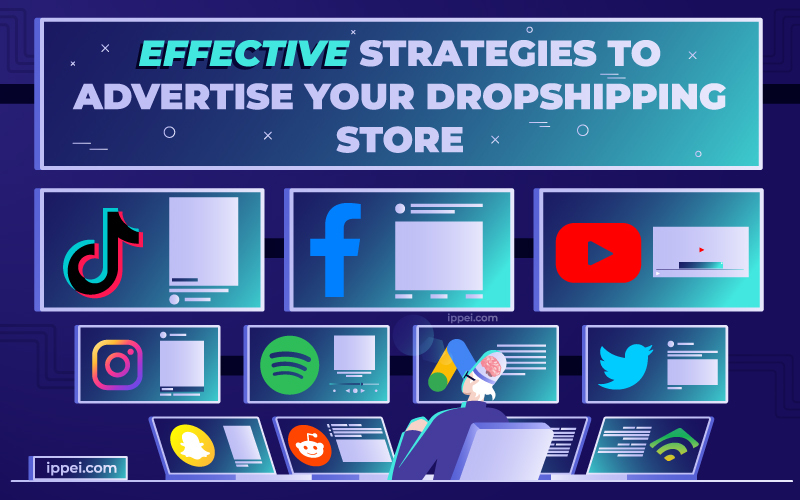
8. **Marketing and Promotion:**
- Develop a marketing strategy to drive traffic to your site. Use social media marketing, content marketing, and paid advertising to reach your target audience.
- Leverage influencer marketing and affiliate programs to increase brand awareness.

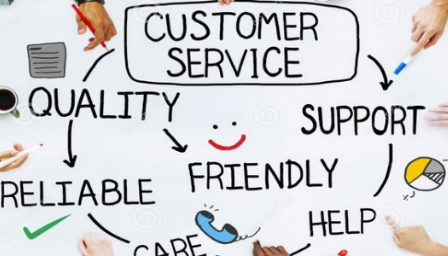
9. **Handle Customer Service:**
- Set up customer support channels to address inquiries and issues promptly. Provide clear communication about shipping times and policies.
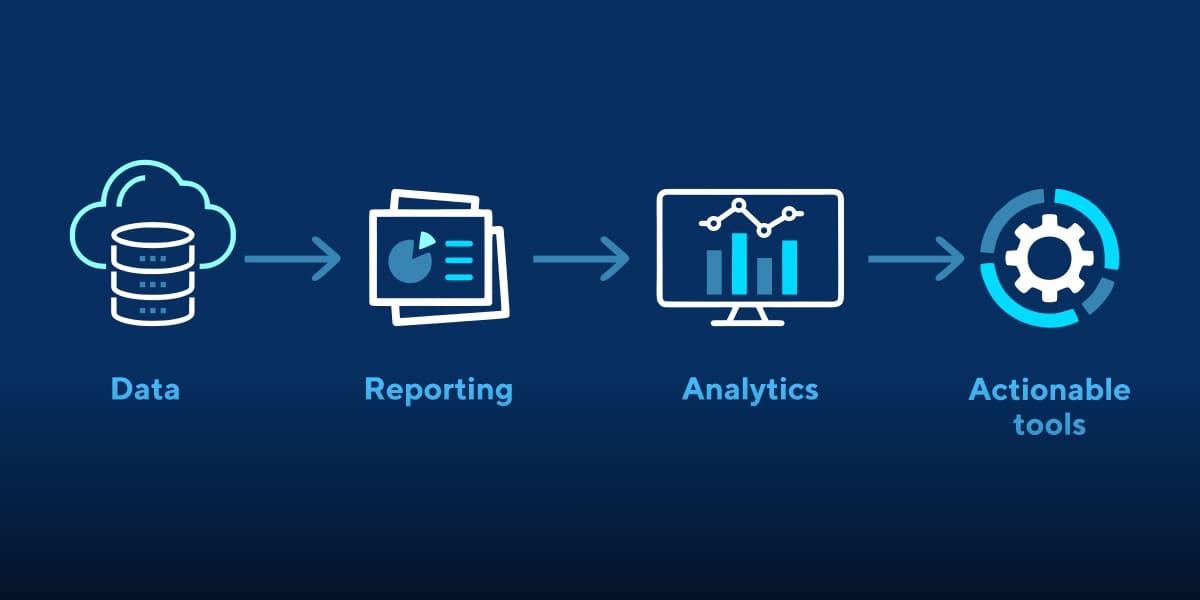
- Use analytics tools to monitor your store's performance. Track sales, website traffic, and customer behavior to make data-driven decisions.
- Once your business is running smoothly, consider expanding your product range, optimizing marketing efforts, and exploring new markets.

The first step is to choose a niche for your dropshipping business. This will help you narrow down your product selection and target your marketing efforts to a specific audience. Some popular dropshipping niches include:
- Electronics
- Clothing and apparel
- Home goods
- Health and beauty
- Toys and games

13. Find a reputable dropshipping supplier.
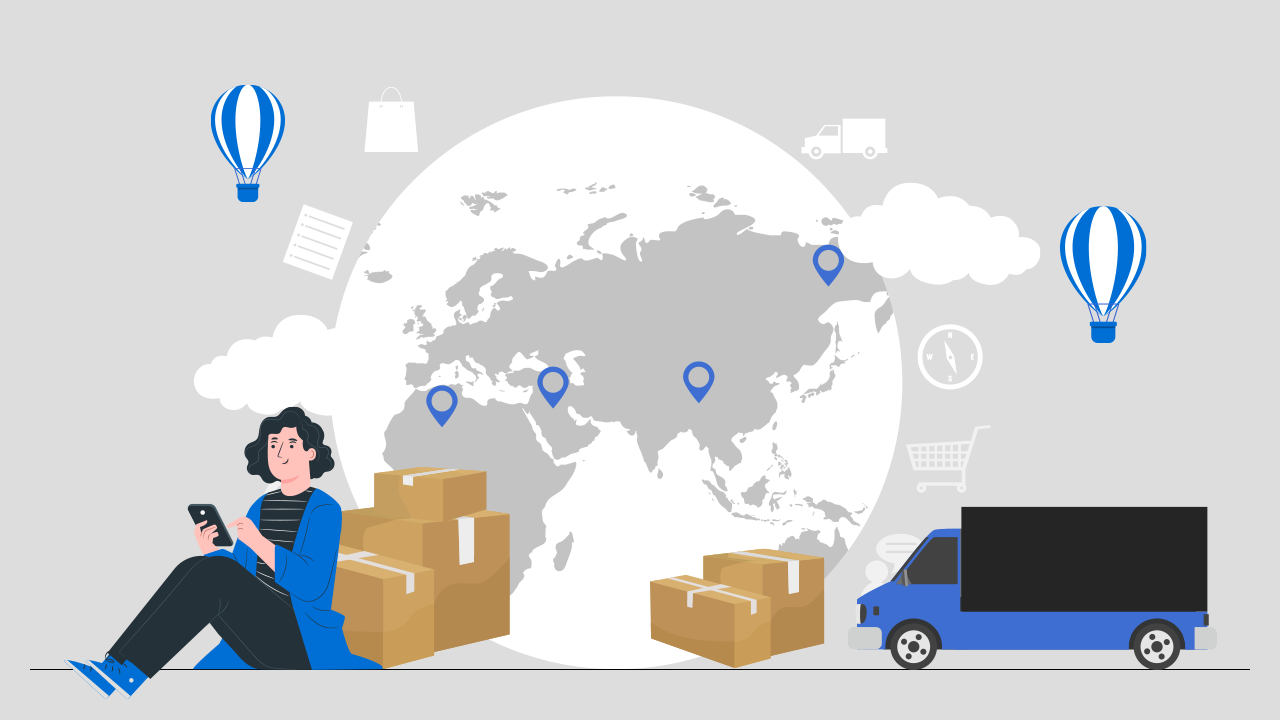
Once you've chosen a niche, you need to find a reputable dropshipping supplier. A dropshipping supplier is a wholesaler that will store, pack, and ship products to your customers on your behalf. There are many dropshipping suppliers available online, so it's important to do your research and choose a supplier that is reliable and has a good reputation.
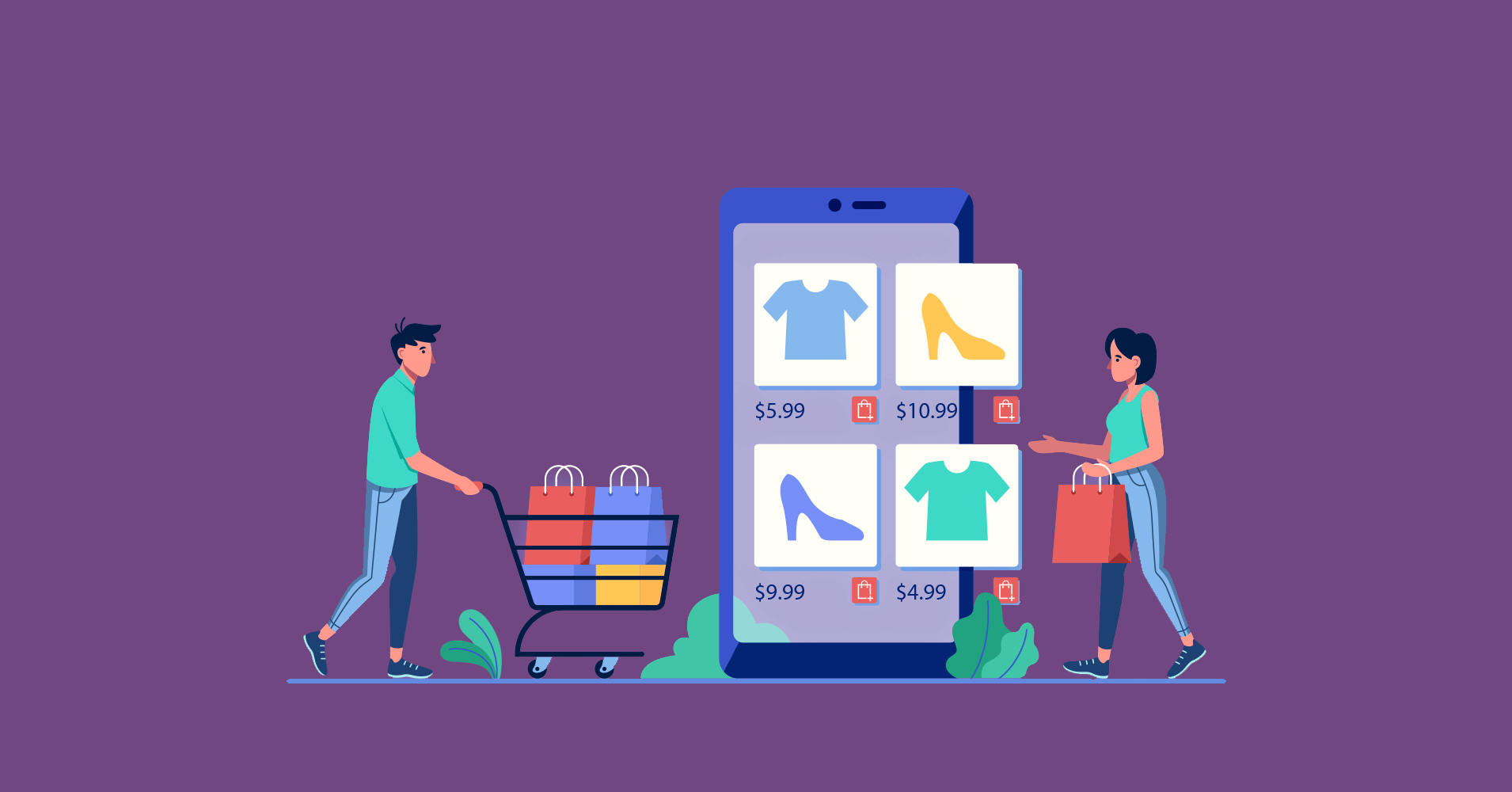
Once you have a dropshipping supplier, you need to build your online store. This is where you will list and sell your products. There are many platforms available for building an online store, such as Shopify, WooCommerce, and BigCommerce.
15. Market your dropshipping business.
Once your online store is up and running, you need to start marketing your dropshipping business. There are many ways to market your business, such as social media, search engine optimization (SEO), and email marketing.
16. Provide excellent customer service.
Providing excellent customer service is essential for any dropshipping business. This means responding to customer inquiries promptly, resolving issues quickly, and making sure that customers are happy with their purchases.
Here are some additional tips for starting a dropshipping business:
- Start small. Don't try to sell too many products too soon. Start with a few products that you know you can sell well.
- Focus on quality over quantity. It's better to sell a few high-quality products than a lot of low-quality products.
- Build relationships with your suppliers. This will help you get better deals on products and ensure that your orders are shipped promptly.
- Be patient. It takes time to build a successful dropshipping business. Don't get discouraged if you don't see results overnight.
Remember that success in dropshipping requires continuous learning and adaptation. Stay updated on industry trends, listen to customer feedback, and be willing to adjust your strategies accordingly.
Comments
Post a Comment